Vedette Wargames · Scenario generators for the tabletop
Vedette
The great battles, cut to your table. Or a new one every evening.
Scenario generators for wargamers. Exploring Officer, for the Napoleonic Wars; The Intelligencer, for the War of the Spanish Succession. Pick a theatre and a table; print the sheet — staff map, both orders of battle, objectives, victory conditions — and play it with the rules already on your table.
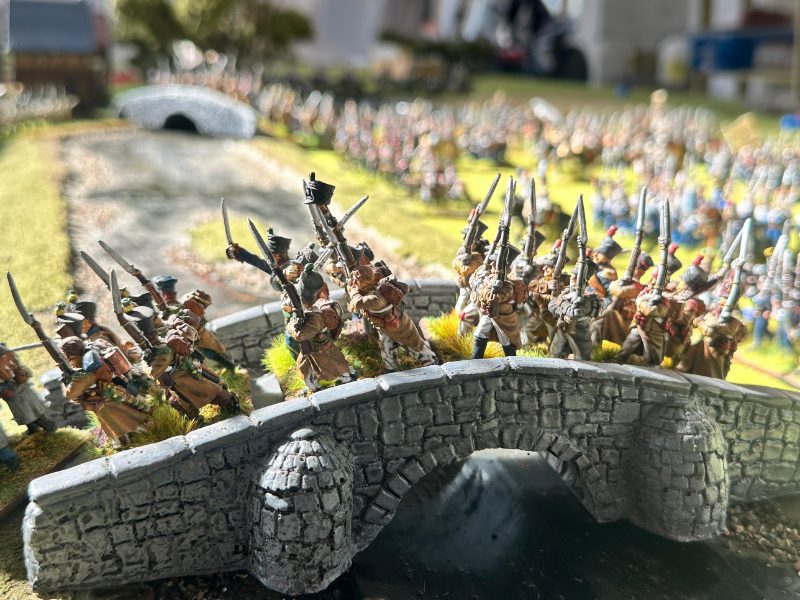
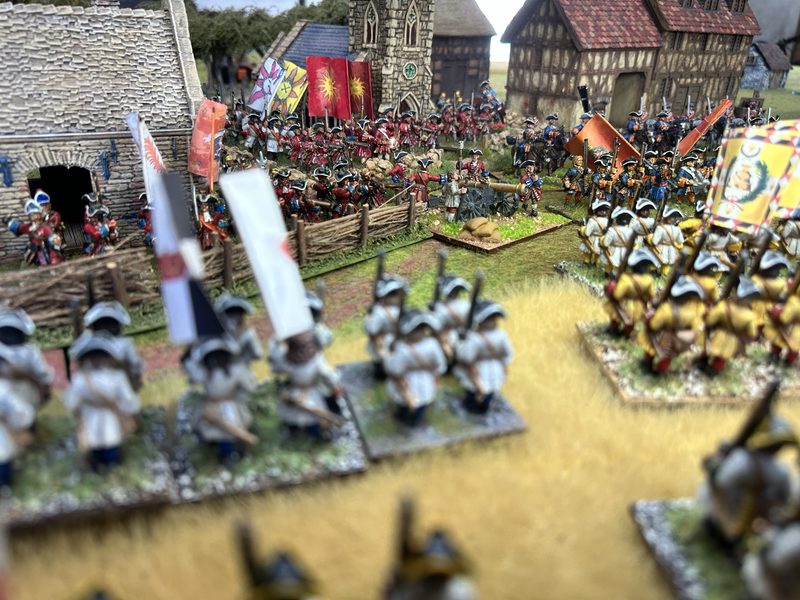
Napoleonic or the War of the Spanish Succession. One file each, yours to keep.
Early release — £15 each, or £25 for both, while the next major update is still being built, then the prices rise.
Why you’d buy it
A battle for the army you own.
Sized to the figures most of us actually have, and cut to the table you’ve got — 8, 10, 12 or 14 ft.
Every fight has a reason.
The sheet says why both armies are here, what each must take or hold, who is attacking, and when it ends.
Real men in command.
Each commander’s card says who he was and what he had done, and rates what he can get his army to do in an hour’s fighting.
Your rules. One file. No subscription.
The sheet states the situation and leaves the mechanics to the rules on your table; the app is one file you keep, offline once its key is in, with no subscription and nothing to renew.

vedette, n. — a mounted sentry posted beyond the outposts, to watch the enemy and report what he sees.
Vedette makes scenario generators for the wargamer who reads the history. Each one is built for a single period and named for the man that period sent forward to look at the ground: the exploring officer of Wellington’s Peninsula, the intelligencer of Marlborough’s wars. What comes back is a scenario you can print and play — orders of battle, a staff map, objectives — built from the sources and ready for the table.
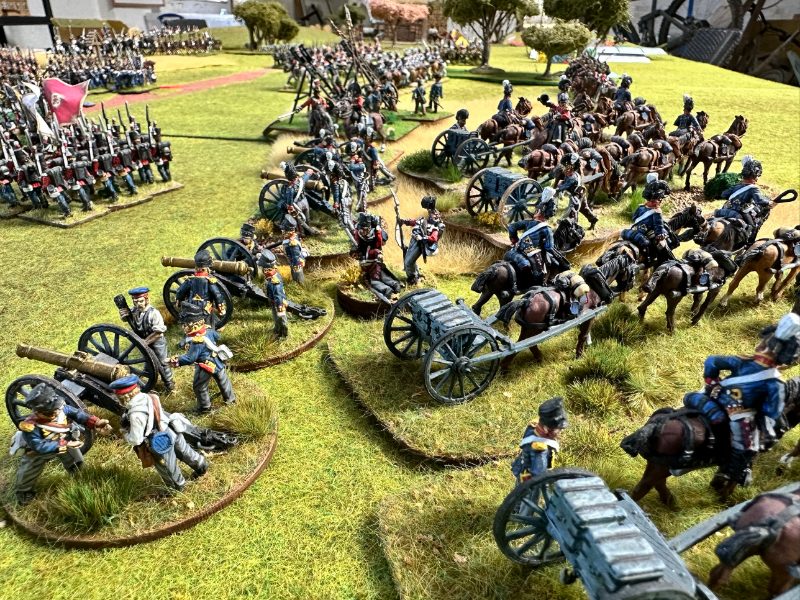
Napoleonic Wars · 1798–1815
Exploring Officer
Pick a theatre and a table; print the scenario. Six theatres, from Egypt in 1798 to the Hundred Days, and seventeen researched battles — Austerlitz, Leipzig, Waterloo and fourteen more.
Available · Early release · £15
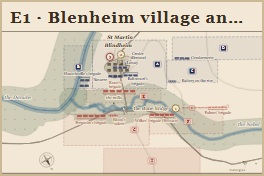
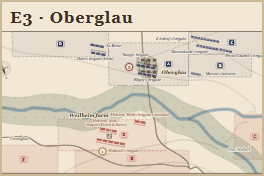
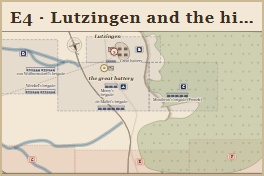
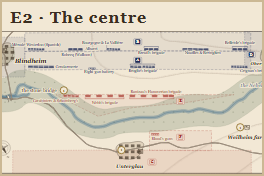
Austerlitz is the biggest of the seventeen. Most engagements are a division or two a side, and a generated action is built to the table you have. See one built to order → · Watch a minute of the app →
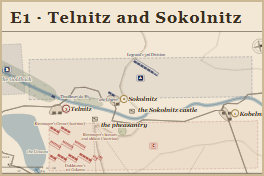
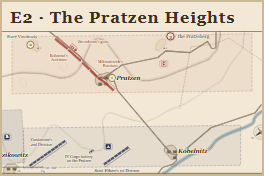
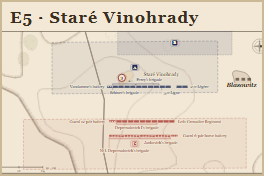
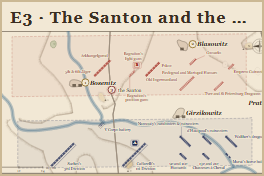
 The Austerlitz set, all five engagements, as the app prints them. See the whole thing →
War of the Spanish Succession · 1701–14
The Intelligencer
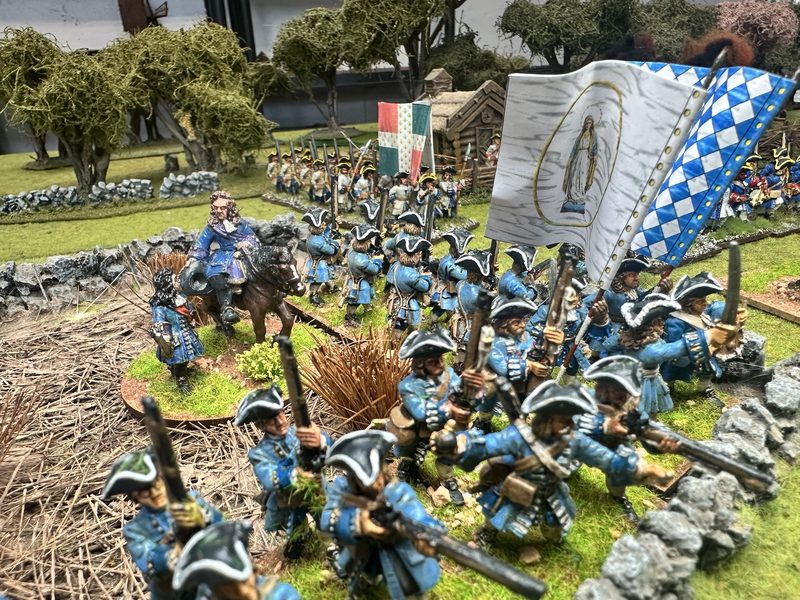
Marlborough’s war: seven theatres — Flanders, the Danube, Valencia, the Upper Rhine, Italy, Aragon and the French frontier — that build a new action whenever you ask, and fourteen battles from First Höchstädt to Denain.
Available · Early release · £15


How a Vedette scenario is made
From the sources
The historical battles are built from the published orders of battle and the histories, and every sheet names what it stands on. A generated scenario has no history to cite, so its forces are built to the standard strengths of that army in that year — and where the record gives no figure for a real unit, the same standard strength supplies one, so every unit plays.
Exploring Officer and The Intelligencer work this way today. The apps that follow are held to the same rule. See how it works.
Cut to your table
You say how big the table is. The scenario is fitted to it, not the other way round.
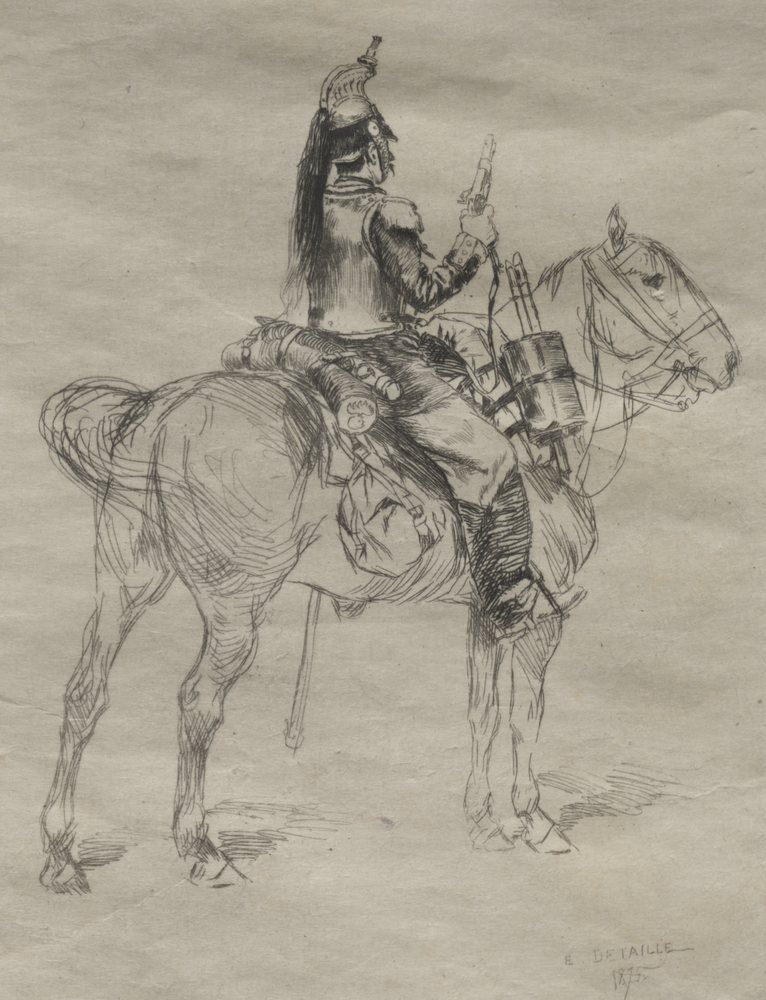
Ready to keep
Both orders of battle, the staff map with its deployment zones, objectives, victory conditions, special rules and umpire’s notes — one printed sheet, saved as a single file that will not change. That’s what to send a friend or the club.
Made by a wargamer, for wargamers
Vedette is made by a wargamer, for wargamers. I’m not a historian. The scenarios are built from the published orders of battle and the histories, with the sources cited, but they are a guide to a good game, not a work of reference: where the history and the table disagree, the table wins, and where the record is silent I have made the assumption or the substitution a playable scenario needs. If you want to argue about the numbers, the sources are there to argue with.
Want to hear when the next app or battle pack lands? Write to feedback@vedette-wargames.com and I will tell you.